Introduzione al prodotto
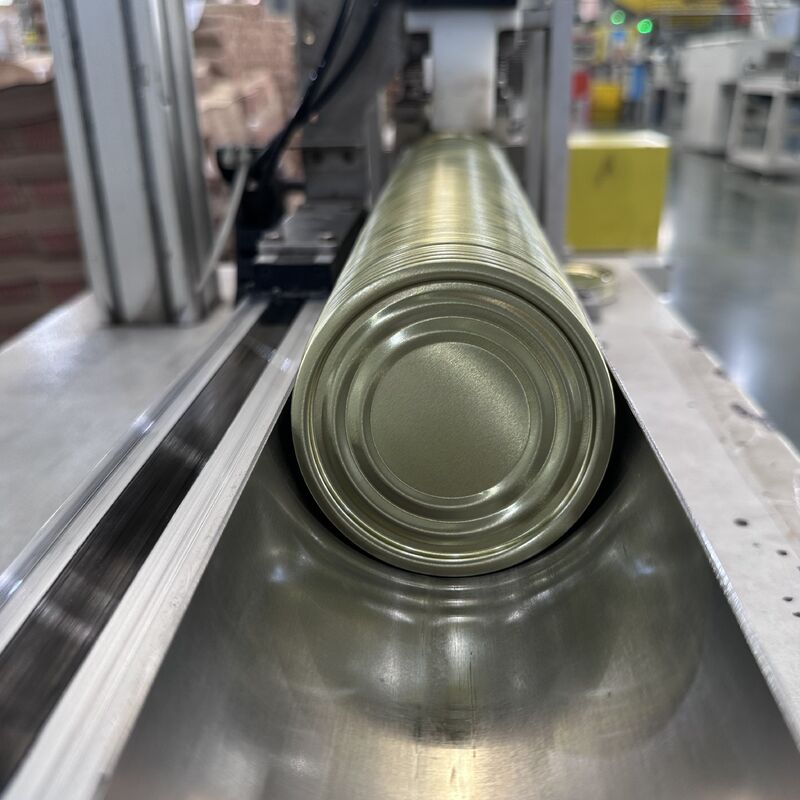
La sicurezza e la longevità degli imballaggi metallici dipendono interamente dall'integrità strutturale dei suoi componenti di chiusura. I nostri substrati specializzati per bobine in banda stagnata vengono lavorati con estrema precisione per produrre estremità e fondi rotondi delle lattine che fungono da strato di difesa fondamentale per la conservazione degli alimenti. Progettate specificatamente come materiale fondamentale per le lattine alimentari, queste estremità metalliche sono progettate per formare un sigillo ermetico e resistente agli agenti chimici sulle linee di inscatolamento automatizzate. Utilizzando tecnologie avanzate di stagnatura elettrolitica, l'acciaio a basso tenore di carbonio viene rivestito in modo uniforme con stagno metallico raffinato, creando una struttura composita resiliente che mantiene il contenuto isolato dal degrado ambientale.
A differenza dei componenti di imballaggio convenzionali che sono vulnerabili alle reazioni chimiche dei composti organici, le nostre estremità delle lattine per alimenti forniscono eccezionali proprietà barriera contro le formulazioni interne dei prodotti e l'umidità esterna. Il materiale è sottoposto a un processo di passivazione chimica specializzato che impedisce la rimozione degli acidi, l'annerimento dello zolfo e l'ossidazione. Ciò lo rende una soluzione ideale per chiudere contenitori pieni di frutta tropicale altamente acida, verdure alcaline o proteine salate. Che vengano utilizzati come copertura superiore o come fondo per lattine per carichi pesanti, questi componenti garantiscono stabilità a lungo termine sugli scaffali senza alterare il colore, l'aroma o il profilo aromatico dei prodotti alimentari racchiusi.
Caratteristiche principali del prodotto
Le nostre lattine alimentari raggiungono le loro prestazioni sul campo attraverso l'ingegneria metallurgica mirata e la chimica delle superfici specializzata:
- Rivestimento isolante da acidi e alcali: progettato direttamente come materiale avanzato per lattine alimentari, l'anima in acciaio è protetta da un sistema di lacca organica che impedisce l'attacco chimico da concentrati di pomodoro altamente acidi, agrumi e salamoie alcaline.
- Resistenza alla corrosione contro l'umidità ambientale: la doppia protezione di uno strato di stagno metallico e di un film di passivazione del cromo post-placcatura blocca l'umidità e l'ossigeno, prevenendo la formazione di ruggine durante la spedizione marittima a lunga distanza e lo stoccaggio in magazzini umidi.
- Aggraffatura e arricciatura meccanica impeccabili: il substrato presenta una struttura a grana ottimizzata e una resistenza alla trazione bilanciata, consentendo all'arricciatura esterna di deformarsi perfettamente in doppie cuciture su linee di giunzione ad alta velocità senza rompersi o spaccarsi.
- Integrità della storta ad alta temperatura: il metallo sottostante e i rivestimenti protettivi interni mantengono la stabilità assoluta durante i processi di sterilizzazione termica ad alta pressione (superiore a 121°C), garantendo l'assenza di formazione di bolle, desquamazione o rottura della tenuta.
Matrice delle specifiche tecniche
| Parametro tecnico | Gamma di specifiche e standard di settore |
| Modulo base materiale | Banda stagnata elettrolitica (SPTE) lavorata da bobina di banda stagnata |
| Applicazioni dei componenti | Coperchi sanitari rotondi per lattine/estremità inferiori universali per lattine |
| Diametri standard | 50 mm, 52 mm, 73 mm, 83 mm, 99 mm, 153 mm |
| Spessore del materiale | 0,16 mm – 0,28 mm |
| Massa del rivestimento in stagno (g/m²) | 2.8/2.8, 5.6/5.6, 2.8/5.6 |
| Chimica del rivestimento interno | Pasta di alluminio organosol, epossi-fenolica, resistente allo zolfo |
| Stili di finitura esterna | Tinta unita, lacca scudo trasparente, lacca dorata lucida, CMYK litografico |
| Classe di temperamento meccanico | T2, T3, T4, T5, DR8, DR9 |
| Conformità alla qualità | ISO 11950:1995, JIS G3303, ASTM A623 |

Perché i clienti collaborano con noi
I marchi alimentari globali e le fabbriche di conserve selezionano i nostri componenti di imballaggio perché garantiamo assoluta uniformità dei materiali e prevedibilità da lotto a lotto. Controlliamo il processo produttivo partendo direttamente dal coil di banda stagnata grezza, utilizzando avanzati macchinari di tensionamento per garantire lamiere perfettamente piane prima che inizi il processo di stampaggio. Questo controllo sulla planarità garantisce che ogni estremità presenti dimensioni di arricciatura uniformi e posizionamenti accurati del composto di rivestimento, prevenendo inceppamenti della linea e riducendo i tempi di fermo sulle linee di cucitura automatizzate ad alta velocità.
Inoltre, utilizziamo sistemi di rilevamento ottico automatizzati per ispezionare le geometrie dei riccioli e la consistenza della lacca prima del confezionamento. I nostri rivestimenti laccati interni personalizzati sono specificatamente abbinati a diversi prodotti chimici alimentari, eliminando problemi come l'annerimento del solfuro di ferro nelle carni e nei frutti di mare ad alto contenuto proteico o la corrosione acida nei prodotti in salamoia. Scegliendo i nostri materiali, i produttori possono ottenere una tenuta ottimale delle giunture, ridurre il tasso complessivo di scarti e garantire la totale sicurezza dei prodotti nelle catene di fornitura globali dei supermercati.
Domande frequenti (FAQ)
D1: In che modo le estremità delle lattine resistono agli alimenti ad alto contenuto di acido come ananas o pomodori in scatola? R1: Per le applicazioni alimentari ad alto contenuto di acidità, utilizziamo un materiale per lattine per alimenti di elevata purezza rivestito con spesse lacche interne epossifenoliche o organosol su una base di massa di stagno pesante. Questo sistema protettivo a doppio strato agisce come una barriera chimica inerte, impedendo agli acidi organici di entrare in contatto con l'anima in acciaio e prevenendo la corrosione stenopeica o la migrazione del sapore metallico.
D2: Quali sono i vantaggi derivanti dall'utilizzo di rivestimenti differenziali in stagno sulla bobina di banda stagnata sottostante? R2: I rivestimenti differenziali ci consentono di applicare uno strato di stagno più pesante sul lato interno (ad esempio, 5,6 g/m²) per resistere agli agenti chimici aggressivi degli alimenti, mentre utilizziamo uno strato di stagno più leggero ed economico sul lato esterno (ad esempio, 2,8 g/m²) per gestire l'umidità esterna e prevenire la ruggine, ottimizzando i costi di produzione complessivi.
D3: Le estremità da 99 mm e 153 mm sono in grado di gestire la sterilizzazione della storta ad alta temperatura? R3: Sì, assolutamente. Le nostre estremità sono progettate per resistere ai processi di sterilizzazione commerciale standard che raggiungono temperature fino a 121°C e superiori sotto pressione. I composti sigillanti specializzati e le lacche interne vengono polimerizzati termicamente per garantire che non si formino bolle, non si sbuccino o perdano adesione durante o dopo la lavorazione.
Q4: Come vengono imballate queste estremità rotonde delle lattine per evitare danni durante il trasporto e corrosione? A4: Le estremità sono disposte in file fitte e uniformi all'interno di sacchetti protettivi puliti e privi di polvere. Queste maniche vengono quindi imballate in robusti cartoni ondulati per l'esportazione, impilate su pallet di legno rinforzati sottoposti a fumigazione e avvolte completamente in una pellicola termoretraibile resistente all'umidità e inibitore della corrosione del vapore (VCI) per il trasporto marittimo.


 Il tuo messaggio deve contenere da 20 a 3000 caratteri!